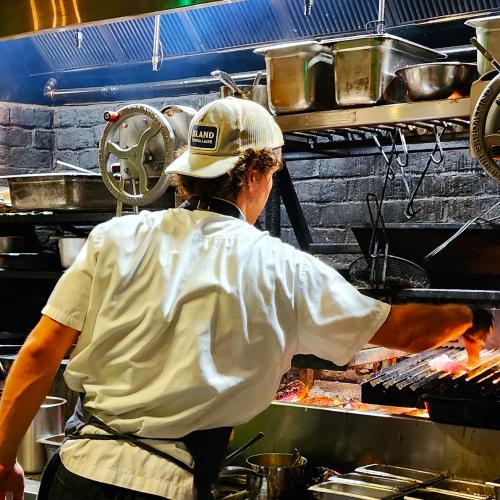



By Shaun Connolly, Executive Chef, Anson Restaurant
My go-to mignonette is simple: brunoised English cucumber and green apple, cracked black pepper and rice wine vinegar.
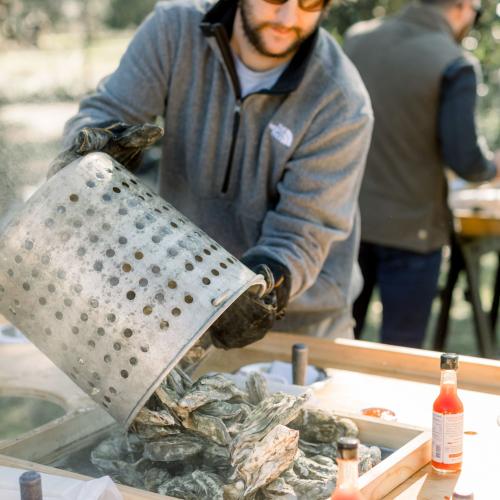
We're in the middle of the "r" months, which in my kitchen means one thing: oyster season. After years of shucking, topping and pairing them atAnson,here is exactly how I do oysters at home.
I start at the counter. I look for medium-sized oysters with clean, unblemished shells. My personal favorites are Canadian oysters from Prince Edward Island and Nova Scotia. That cold water produces oysters of consistent size and quality, with a mineral finish that was made for white wine.
Once they are home, I treat them right. I give them a vigorous swirl in a bowl of ice water with a pinch of kosher salt, then rinse them cup side down over a draining pan of fresh ice. A cold, damp towel goes over the top, and they hold in the fridge at 35 to 40 degrees until I am ready to serve.
Toppings are where I get to have fun. My go-to mignonette is simple: brunoised English cucumber and green apple, cracked black pepper and rice wine vinegar. When I want some heat, I reach for the juice from a jar of kimchi with a thread of sesame oil and sliced scallions. And when oysters go into my oven or onto the grill, I go rich: garlic-herb butter, Calabrian chile paste and Parmesan under a golden herb-breadcrumb crust.
And I never forget the pour. Here is what I reach for: Vermentino with raw oysters and a simple mignonette. Sancerre with PEI oysters, raw or grilled. Muscadet alongside super briny East Coast oysters. And Blanc de Blancs Brut Champagne when only the classic will do.


Copyright © 2015 Dez Inc. dba GulfStream Communications